
Dermatology
Dermatological Procedures During Pregnancy: What to Avoid and What Can Be Received?
2026-04-10

Hormonal changes during pregnancy can make your skin more sensitive and dark spots darken, so you may be wondering whether it is safe to undergo procedures. I will summarize a guide on procedures during pregnancy that prioritizes fetal safety.
Three-sentence summary
You must absolutely avoid electrical current procedures (radiofrequency lifting), internal injection procedures (Botox, fillers), and procedures involving severe pain during pregnancy.
Procedures such as acne extraction, LDM, and laser toning may be considered conditionally after consultation with a medical professional , but as a general rule, they should be avoided as much as possible within the first 12 weeks of pregnancy .
It is safest to focus on using physical sunscreens and preventing stretch marks rather than undergoing procedures.
Table of Contents for this Content
Why does skin change during pregnancy?
Criteria for determining whether to avoid procedures during pregnancy
Procedures to Avoid During Pregnancy
Procedures to consider after consulting with a doctor
Home care that can be done without procedures
Frequently Asked Questions
1. Why does skin change during pregnancy?
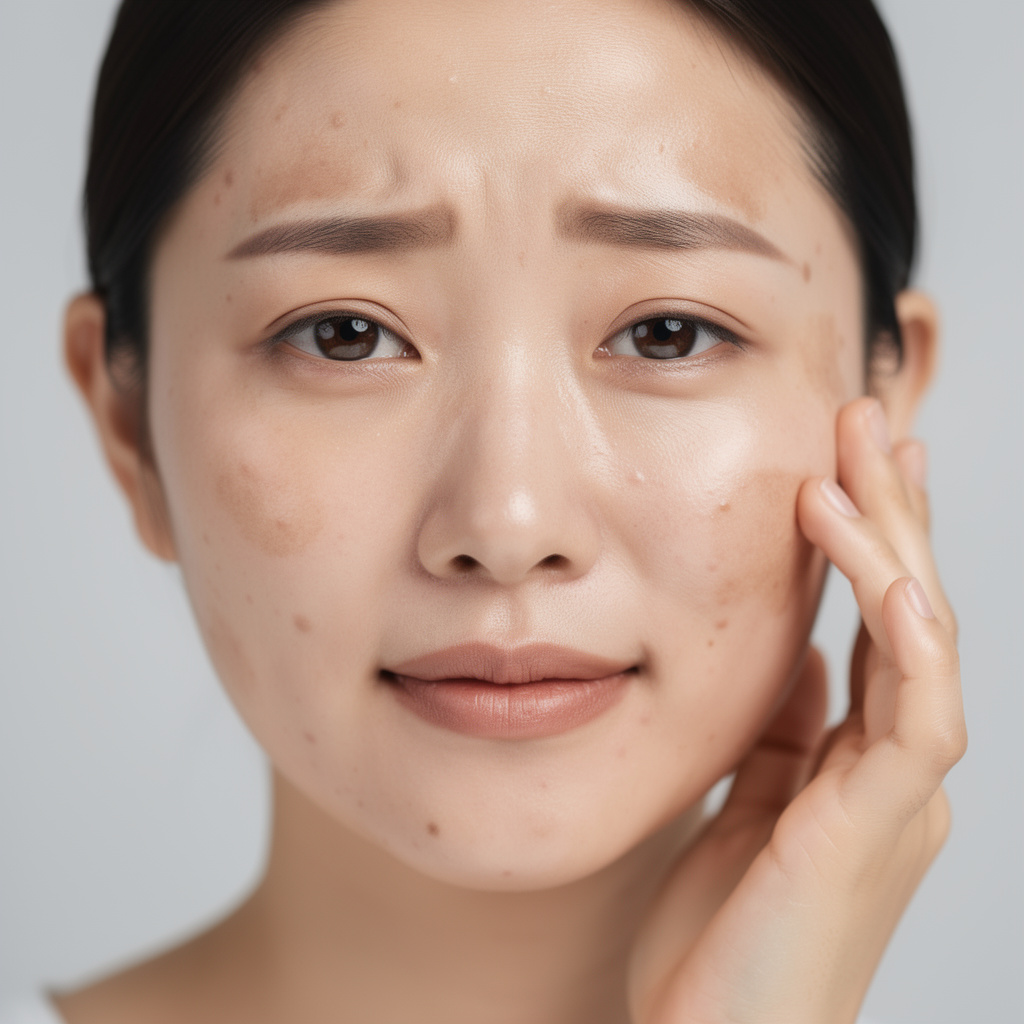
During pregnancy, estrogen, progesterone, and melanocyte-stimulating hormone undergo rapid changes. These hormonal changes directly affect the skin.
Pigmentation: Existing melasma darkens or new melasma appears, and a dark line may also appear in the center of the abdomen.
Acne: Increased sebum secretion can worsen skin problems.
Loss of elasticity: Skin elasticity may temporarily decrease as hormones normalize after childbirth.
You don't need to worry too much, as most of these symptoms gradually subside after childbirth.
2. Criteria for Determining When to Avoid Procedures During Pregnancy
Please keep three main things in mind.
① Procedure in which electric current passes through the body
High-frequency methods (monopolar systems such as Thermage and Oligio) pass current through the entire body. If this current passes through the abdomen, it can raise the temperature of the amniotic fluid and the fetus; since the fetus is very sensitive to changes in body temperature, even a 1°C increase can be dangerous.
② Procedures involving the injection of drugs or substances into the body
The problem with direct injection procedures like Botox and fillers is that, in addition to the inherent risks of the ingredients themselves, there are restrictions on the medications that can be used during pregnancy if side effects occur after the procedure.
③ Procedures that are painful enough to require anesthetic cream
Lidocaine can be absorbed through the skin and transmitted to the fetus via the placenta, and the severe pain itself can cause significant stress to the mother.
3. Procedures to Definitely Avoid During Pregnancy
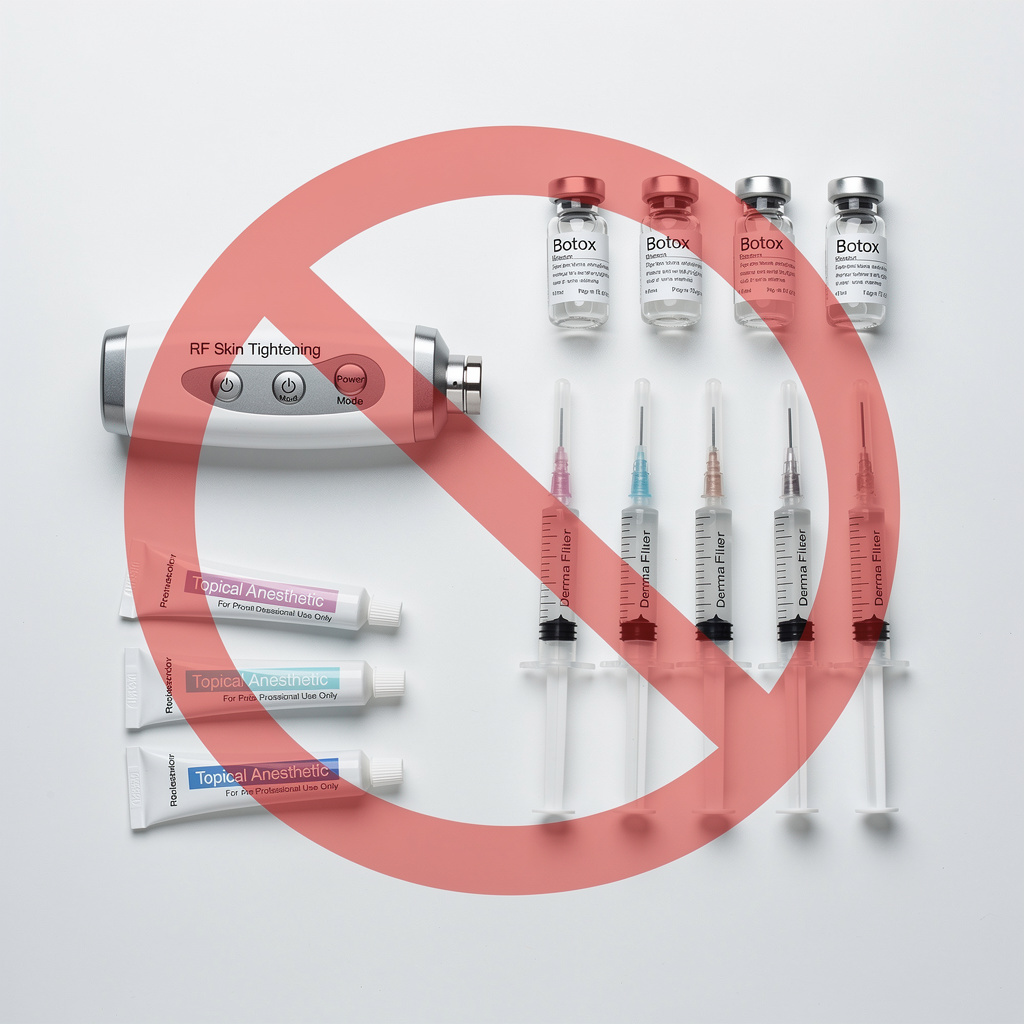
Botox
It is classified as FDA pregnancy safety grade C. Although harmful effects were observed in animal studies, there is no clinical data available for pregnant women. Since it has not been confirmed to be "safe," it is recommended to postpone use until after childbirth.
filler
Although the toxicity of hyaluronic acid, the main component, is relatively low, there are no safety studies conducted on pregnant women. If inflammation occurs after the procedure, antibiotics or anti-inflammatory drugs are required, but drug choices are significantly limited during pregnancy.
Injectable skin booster
Injectable skin boosters such as Rejuran are not recommended for administration during pregnancy due to the lack of clinical evidence.
Radiofrequency (RF) lifting
You must avoid monopolar or unipolar methods such as Thermage, Oligio, and TuneFace. It is also generally not recommended for InMode's bipolar method during pregnancy.
BHA peeling
BHA (salicylic acid) , an ingredient used in products such as Hydra Facial and Aqua Peel, has been reported to be linked to pregnancy complications, so it is advisable to avoid using them during pregnancy.
Caution: Even if you proceed without BHA, be sure to consult with a medical professional.
4. Procedures to consider after consulting with a doctor
Although the procedures listed below are known to be relatively low-risk, all procedures must be performed after consulting with a medical professional . In particular, as a general rule, any procedure should be avoided as much as possible during the early stages of pregnancy, within the first 12 weeks .
Acne extraction and soothing care
Acne extractions performed solely through physical methods without medication can be received even during pregnancy. Since the use of oral acne medication is restricted during pregnancy, receiving hygienic care at a clinic can actually be more beneficial.
LDM (Waterdrop Lifting)
Using an ultrasound method, it acts locally on the skin surface without using electrical current. It is virtually painless, so anesthetic cream is not required, and it is frequently mentioned as a procedure safe to undergo during pregnancy as it can help soothe, moisturize, and strengthen the skin barrier.
Laser toning
These are low-irritation lasers, such as PicoToning and Genesis, that can be performed without anesthetic cream. While they can be helpful for managing melasma and pigmentation concerns during pregnancy, you should keep in mind that their effectiveness may be limited due to hormonal influences.
Ultrasonic lifting
Procedures such as Ulthera and Shurink do not use electrical currents, making them safer than radiofrequency lifting. However, since the use of anesthetic cream is restricted during pregnancy, pain may be felt more intensely, and the resulting stress could affect the fetus.
5. Home care you can do without procedures
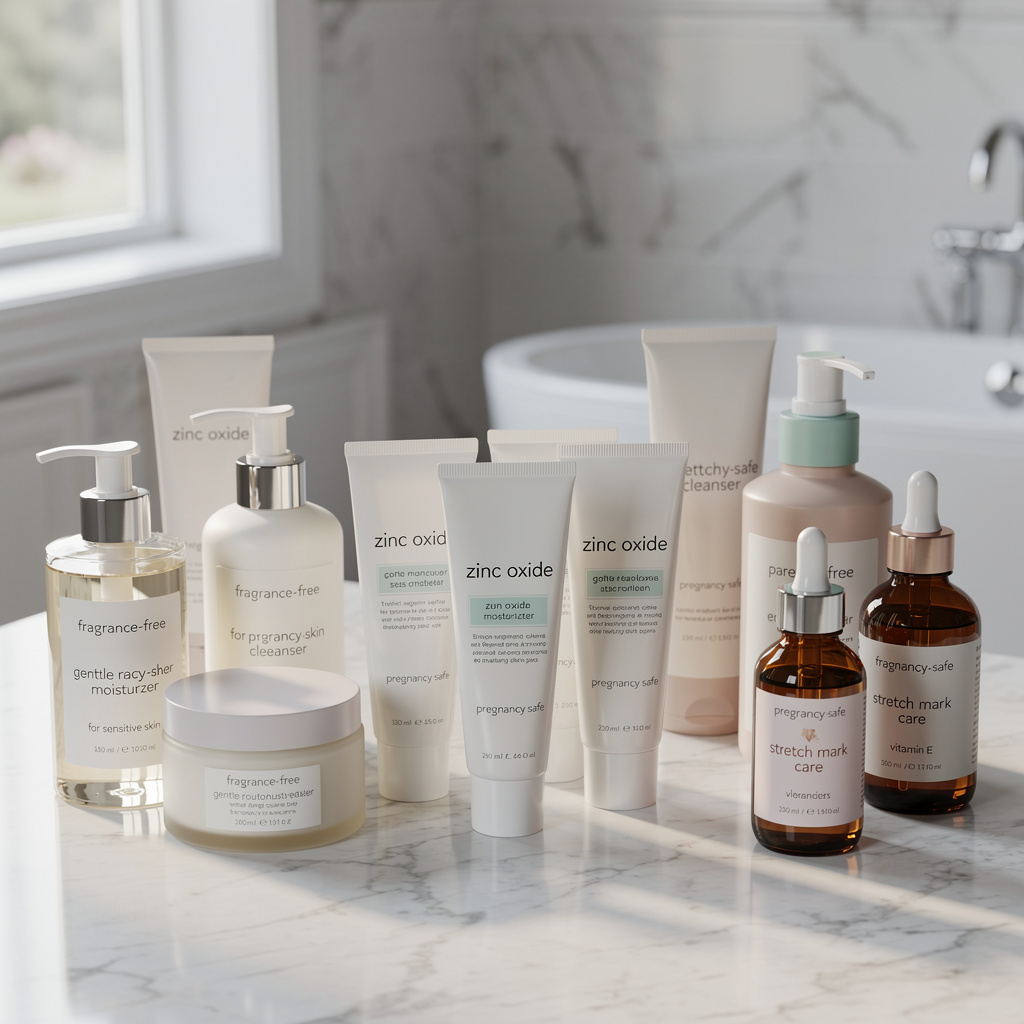
UV protection
It is key to preventing melasma. Since chemical sunscreen ingredients can be absorbed into the skin, it is safer to choose physical sunscreens (mineral sunscreens) based on titanium dioxide or zinc oxide during pregnancy.
Moisturizing and Stretch Mark Care
Once stretch marks appear, they are difficult to get rid of completely. Please consistently apply stretch mark cream or oil to your abdomen, thighs, and buttocks from the third or fourth month of pregnancy until two months after childbirth .
Ingredients to be cautious of during pregnancy
Isotretinoin: Includes Isotretinoin and Roaccutane; classified as FDA Grade X , it may cause birth defects, so it must be discontinued one month before planning to conceive.
Retinol/Retinoid family
High concentration BHA (salicylic acid)
Paraben
Home Care Key Point: Focusing on prevention rather than procedures is the safest and most effective approach!
6. Frequently Asked Questions
Q. Do the same standards apply while breastfeeding?
Yes, it is recommended to receive Botox and fillers after you have finished breastfeeding. Anesthetic cream (Lidocaine) can also be transmitted to the baby through breast milk, so it is best to avoid it while breastfeeding. Most low-irritation procedures can be performed while breastfeeding, but you must inform the medical staff beforehand that you are breastfeeding.
Q. What if I unknowingly got Botox in early pregnancy?
If it is within about two weeks of conception, the likelihood of a direct impact is low because blood exchange between the mother and fetus has not yet occurred. However, it is safer to inform an obstetrician about the procedure and undergo a prenatal checkup.
Q. What must I inform the dermatologist about when visiting?
Please inform us of your pregnancy first, regardless of the procedure. Even for the same procedure, the intensity and method may vary depending on whether or not you are pregnant. As a general rule, you should refrain from all procedures as much as possible within the first 12 weeks of pregnancy .

