
Dermatology
What is PRP skin injection? (The one Kim Kardashian also received)
2026-04-10

Curiosity is growing regarding PRP injections, a regenerative procedure utilizing one's own blood. From celebrity treatments that have become a hot topic to their actual application in medical settings, gain realistic expectations through accurate information.
Three-sentence summary
PRP is a procedure that induces a regenerative response by injecting plasma, concentrated with platelets from the patient's own blood, into the skin.
It is more commonly used in combination with treatments such as microneedling rather than alone , and can help improve acne scars or overall skin condition.
Due to the lack of standardization and evidence, it should be viewed as a treatment to be selectively considered for appropriate candidates rather than a panacea.
Table of Contents for this Content
What is a PRP injection?
Operating principles and mechanisms
Expected effects
Reasons why it is more frequently used as a combination therapy
Differences from famous celebrity procedures
Suitable Targets and Precautions
Procedure and Time Required
Pain and recovery period
Differences from Rejuran
A different concept from stem cell therapy
Realistic limitations
Pre-procedure checklist
1. What is a PRP injection?
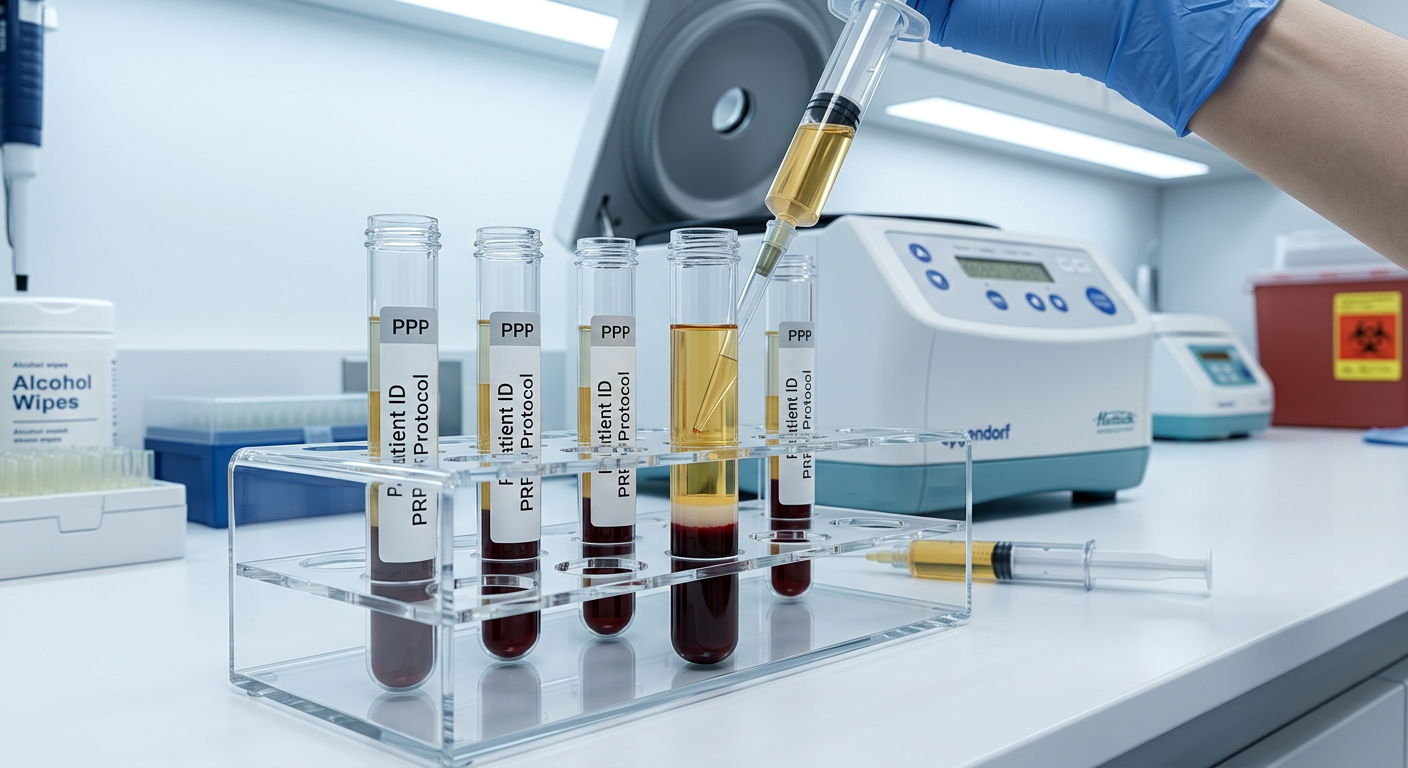
PRP stands for Platelet-Rich Plasma , which means plasma concentrated with platelets.
Simply put, it is a method in which a small amount of your own blood is collected, a platelet-rich layer is separated through centrifugation, and that component is then applied to the skin or scalp. The American Academy of Dermatology (AAD), while explaining the PRP procedure, also advises that a small amount of blood is drawn from the arm, and the concentrated platelet components can be injected into the face or scalp or used in combination with microneedling.
Key Point: It is a regenerative procedure that utilizes components derived from the patient's own blood, rather than injecting external drugs.
However, even when using autologous components, infection control and proper determination of indications are crucial because it is a medical procedure involving blood collection, separation, and infusion. Recent review papers also point out that while PRP is a relatively simple treatment, there have been reports of adverse reactions such as infection, inflammation, and nodules, emphasizing that aseptic management is particularly important.
2. Operating Principle and Mechanism
The key to PRP is the various bioactive substances contained within platelets.
Platelets do not merely play the role of stopping bleeding; they also transmit various signals involved in tissue repair and wound healing. PRP can be understood as a method of utilizing these platelets by collecting them at a higher concentration than in normal blood.
Function in skin care
Induction of regenerative response: Stimulates the skin's natural recovery process
Promotes collagen formation: Contributes to improved skin elasticity and texture
Wound healing aid: Helps with rapid recovery after procedures
Realistic Expectations: It is not "magic to turn your skin back 10 years," but rather closer to an auxiliary regenerative approach that stimulates the skin's natural healing abilities.
3. Expected effects
PRP is primarily utilized in dermatology and cosmetic medicine in the following contexts.
Improves skin texture and elasticity
As skin aging progresses, a loss of elasticity, fine lines, and changes in texture such as dryness appear together, and PRP is sometimes chosen with the expectation of improving these overall skin conditions. However, according to a systematic review published in 2024, the evidence for PRP for facial regeneration is not yet of high quality overall, and it is assessed that better-designed studies are needed.
Post-procedure recovery assistance
The AAD explains in its description of acne scar treatment that PRP can be used to complement the results of treatments like microneedling rather than as a standalone treatment. In fact, there is accumulating research showing that using PRP in combination with microneedle therapy can help make scars appear less prominent.
Aid in the regeneration of acne scars or damaged skin
PRP is particularly mentioned in the context of scars, micro-skin damage, and recovery management after repeated procedures. However, this also does not guarantee "the same results for everyone," and the perceived effects vary significantly depending on skin condition and the types of treatments used in conjunction.
4. Reasons why it is more frequently used as a combination therapy
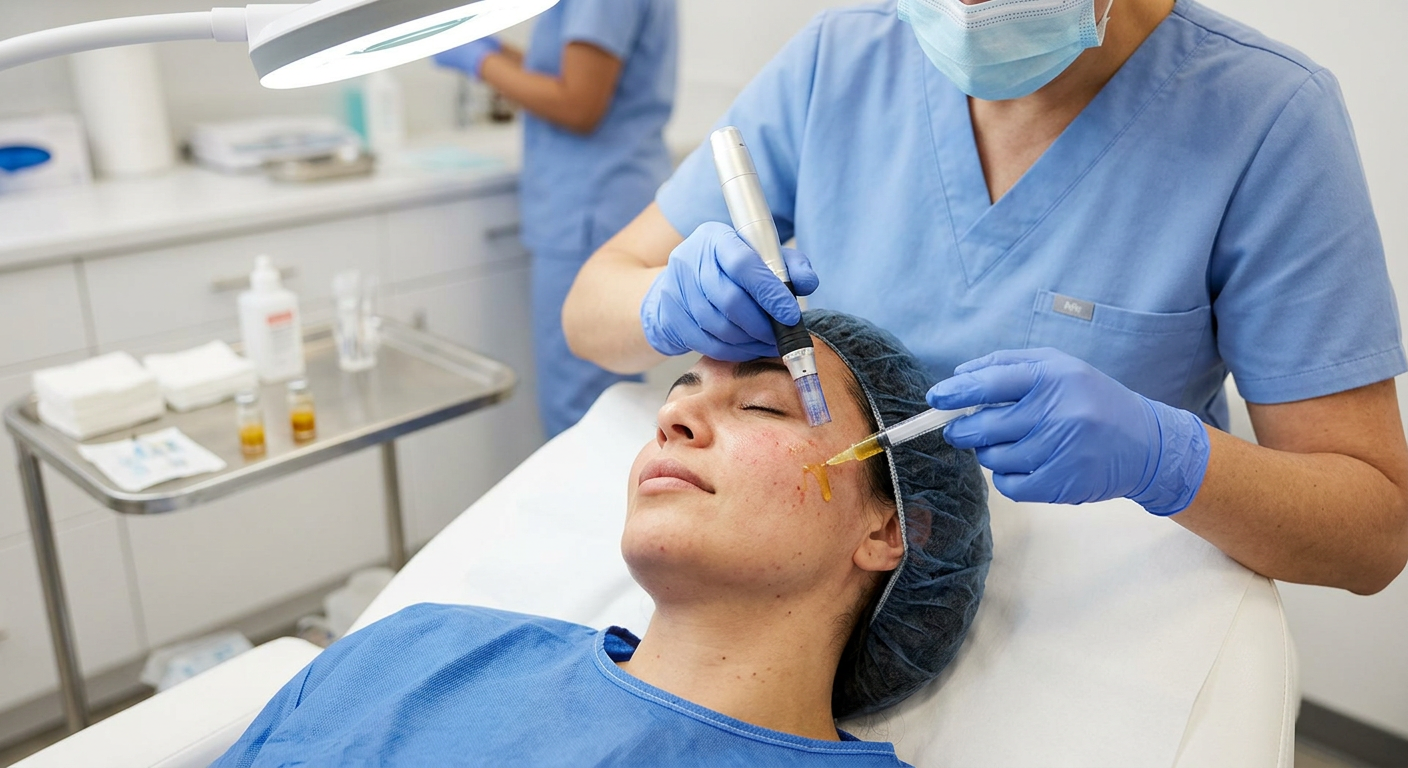
In actual dermatology practice, PRP is often explained as a treatment to be combined with other therapies rather than viewed as a standalone panacea .
It is typically used in conjunction with microneedling, and AAD also advises that PRP can be used in combination with other treatments to enhance the results of acne scar treatment.
While the literature to date views the potential of PRP positively, it points out a lack of standardization due to variations in treatment methods, concentrations, frequency, and concomitant therapies.
5. Differences from famous celebrity procedures
Kim Kardashian's 'Vampire Facial,' which became popularly famous, and regular PRP skin injections are procedures that seem similar but are different.
General PRP injection
Method: The method centered on injecting isolated PRP.
Appearance: It may appear red or accompanied by microbleeding immediately after the procedure, but it is not covered in blood.
Procedures Received by Celebrities
Method: A combination of microneedle acupuncture and PRP
Appearance: The scene showing a lot of blood on the face is the result of microneedling.
AAD also explains that PRP can be used with injections or microneedling. Therefore, if you ask, "Will my face get covered in blood after getting a PRP injection?", the general answer is no .
6. Suitable Targets and Precautions
PRP is usually brought to the consultation table when there are concerns such as the following.
Suitable subjects
Skin texture and elasticity: If you feel an overall decline
Complex Aging: Complex deterioration of skin condition, such as fine lines, dryness, and dullness
Scar Treatment: Assisting recovery after acne scar treatment or microneedling
Renewable-Centric Approach: Interest in a renewable-centric approach rather than high-energy equipment
Cases requiring caution
Since the process involves drawing and re-infusing blood, you must consult with medical staff first regarding the following matters.
Blood disorders: Platelet dysfunction or blood-related diseases
Bleeding tendency: A constitution that bruises easily or bleeds easily
Medications: Taking anticoagulants and antiplatelet agents
Infectious state: Acute infection or inflammatory condition
7. Procedure and Duration
The flow is usually relatively simple.
step | procedure | time taken |
|---|---|---|
Step 1 | A small amount of blood is drawn from the arm. | 5-10 minutes |
Step 2 | Separation of the platelet concentrate layer through centrifugation | 15-20 minutes |
Step 3 | Isolated PRP is injected into the skin or combined with microneedling. | 15-20 minutes |
AAD explains that the entire process can generally take about 45 minutes to an hour .
8. Pain and Recovery Period
This part varies greatly depending on the procedure method.
Pain level
Simple injection: Pain at the level of a standard injection
Combined with Microneedling: Perceived difference depending on whether anesthetic cream is used
Individual differences: Severe pain is possible if performed without anesthesia, like Kim Kardashian.
recovery period
Injection-based: Relatively quick return to daily life possible, possibility of bruising, swelling, and redness
Combined with microneedling: Redness or irritation may be more pronounced
Adverse reactions: Usually local and limited, but caution is required due to infection, etc.
9. Differences from Rejuran
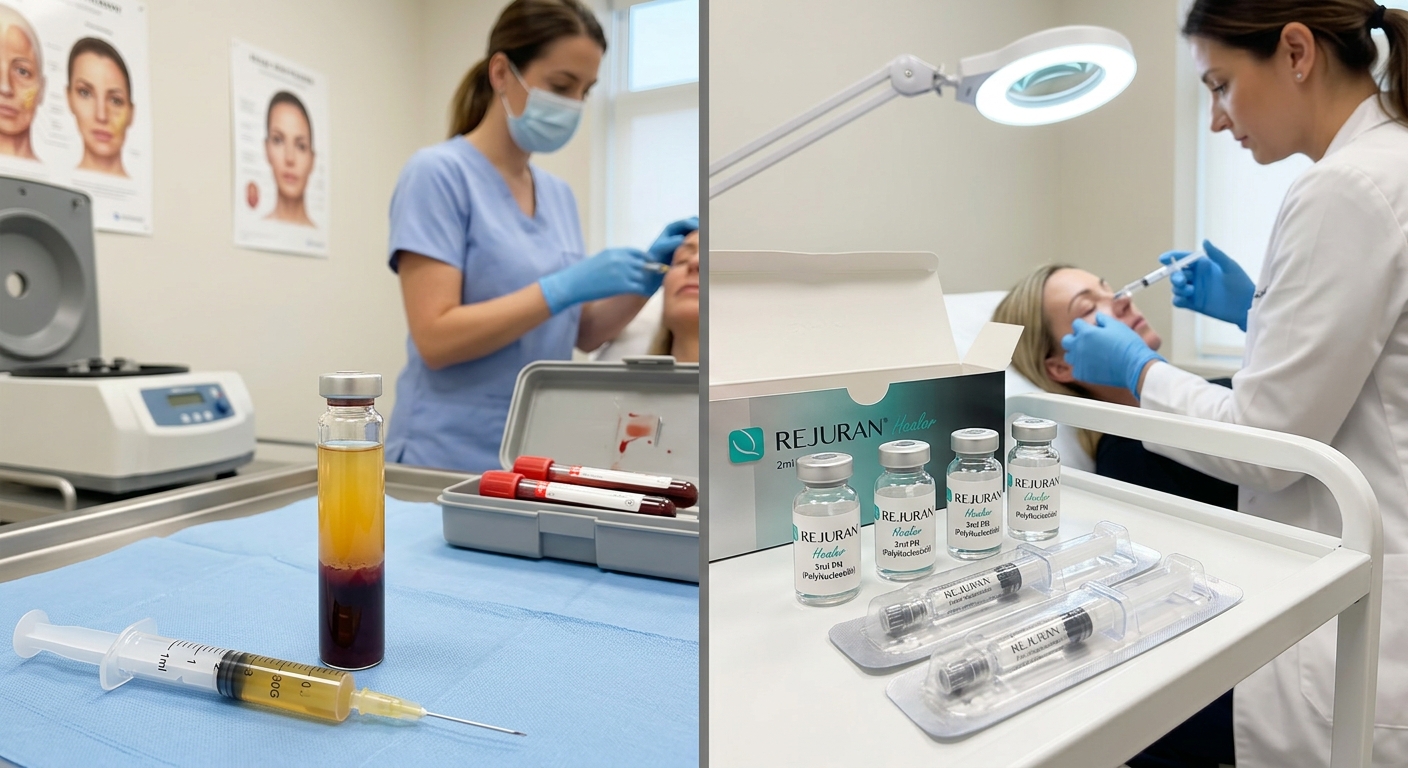
Both are frequently compared in the "skin regeneration" category, but they start from different points.
division | PRP | Rejuran |
|---|---|---|
ingredient | Platelet-rich plasma obtained from my blood | Externally derived ingredients (PN/PDRN series) |
Approach | Utilization of self-derived regenerative signals | Improvement of skin environment based on external ingredients |
characteristic | Individual differences may vary significantly | relatively constant components |
However, it is difficult to say which one is "unconditionally better." The key factors for selection vary depending on whether your skin is sensitive, whether scars are your primary concern or if dryness and fine lines are the main issues, and your pain sensitivity.
10. A different concept from stem cell therapy
Although these two are mentioned together within the broad framework of regenerative medicine, they should not be viewed as the same procedure.
PRP: A method of concentrating and utilizing platelets and the physiologically active factors within them.
Stem cell therapy: A much different approach that literally uses the stem cells themselves.
Because the difficulty of the procedure, cost, legal and ethical review, and scope of application all differ, it can lead to misunderstandings if you simply understand stem cells as a "superior version of PRP."
11. Realistic Limitations
PRP is a highly anticipated procedure, but there are still many unresolved issues.
Lack of standardization
The biggest limitation is the lack of standardization in the procedure methods.
Variables: Blood collection kit, platelet concentration, leukocyte inclusion rate, number of procedures, concomitant treatment
Result: The result may vary depending on these factors
Research: Therefore, research results are not completely consistent with each other.
Beware of exaggerated marketing
Based on the information available so far, PRP is a promising adjuvant regenerative treatment , but the results vary greatly from person to person, and it is a procedure where the indications must be carefully selected.
12. Pre-procedure checklist
If you are considering PRP, it is highly recommended that you check the following.
Safety
Infection Control: Whether infection control is properly managed from blood collection to isolation and infusion
Medical Devices: Whether appropriate medical devices are used when combined with microneedling
Post-procedure care: Thorough guidance on the possibility of swelling, bruising, and inflammation
Procedure plan
Procedure method: Whether alone or in combination with microneedling, etc.
Indications: Whether my skin concerns are loss of elasticity, scars, or recovery care
Medications: Check for medications currently being taken, such as anticoagulants and antiplatelet agents.
In particular, the FDA classifies and regulates microneedling devices for cosmetic purposes as medical devices, and explains that not all microneedle products are subject to the same level of regulation.


